
Difference Between Medicare and Medicaid: Eligibility, Costs & Coverage
Many Americans hear the words Medicare and Medicaid used together and assume they are the same program. While the names sound similar, the difference between Medicare and Medicaid is significant — and misunderstanding that difference can lead to missed benefits, enrollment mistakes, or unnecessary out-of-pocket costs.
If you’ve ever asked, “Is Medicare the same as Medicaid?” or “Which one do I qualify for?”, this guide is for you.
This article explains the difference between Medicare and Medicaid in clear, everyday language so you can understand which program applies to your situation — or whether you may qualify for both.
Quick Answer: Medicare vs Medicaid
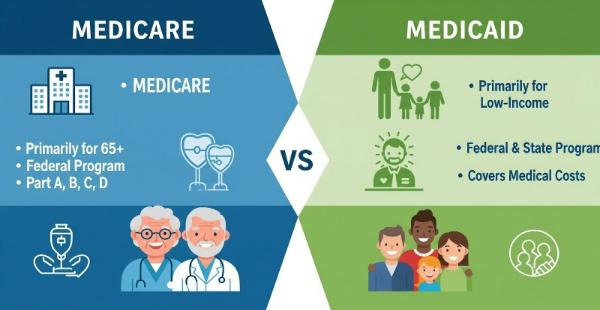
Medicare is a federal health insurance program primarily for people age 65 and older or those with qualifying disabilities.
Medicaid is a joint federal and state program that provides health coverage based on income and financial need.
That one difference — age and disability vs income and resources — explains most of the confusion.
What Is Medicare?
Medicare is available nationwide and is funded by the federal government. Most people become eligible at age 65, regardless of income.
Medicare generally covers:
Hospital care (Part A)
Doctor visits and outpatient services (Part B)
Prescription drugs (Part D)
Private plan alternatives (Part C / Medicare Advantage)
What Is Medicaid?
Medicaid provides healthcare coverage to people with limited income and resources. Unlike Medicare, Medicaid eligibility rules vary by state.
Medicaid often covers:
Doctor and hospital care
Prescription medications
Mental health services
Maternity care
Long-term care, such as nursing homes
Medicare vs Medicaid: Key Differences Explained
Eligibility
Medicare: Based on age (65+) or disability
Medicaid: Based on income, assets, and household size
Administration
Medicare: Federally run and consistent nationwide
Medicaid: State-administered with varying rules
Costs
Medicare: Includes premiums, deductibles, and copays
Medicaid: Usually low-cost or free for eligible individuals
Coverage Focus
Medicare: Acute and preventive medical care
Medicaid: Broad coverage, including long-term care
Can You Have Both Medicare and Medicaid?
Yes. Some people qualify for both programs at the same time, a situation known as dual eligibility.
Dual-eligible individuals often receive:
Medicare as their primary insurance
Medicaid assistance with premiums, deductibles, and copays
This combination can significantly reduce healthcare expenses.
Why the Difference Matters
Understanding the difference between Medicare and Medicaid helps you:
Avoid enrolling in the wrong program
Understand which benefits apply to you
Access cost-saving opportunities
Avoid unnecessary penalties or missed coverage
Many people assume Medicaid will replace Medicare or vice versa — but they serve different roles and are often used together, not instead of one another.
Common Misunderstandings
Some of the most common myths include:
“Medicaid is only for seniors” (false)
“Medicare covers nursing homes” (generally false)
“If I have Medicaid, I don’t need Medicare” (usually false)
Clearing up these misunderstandings early can prevent costly mistakes later.
How The Medicare Team Helps
Sorting through Medicare and Medicaid rules can feel overwhelming — especially if your financial or health situation changes.
The Medicare Team helps by:
Explaining which program applies to you
Identifying dual-eligibility opportunities
Clarifying coverage overlaps
Helping you avoid enrollment errors
Our guidance is free, unbiased, and tailored to your situation.
Frequently Asked Questions
1. Is Medicare better than Medicaid?
Neither program is “better.” They serve different purposes based on age, disability, and income.
2. Does Medicaid replace Medicare?
No. Medicaid does not replace Medicare, but it may help cover costs Medicare doesn’t.
3. Can Medicaid pay my Medicare premiums?
Yes, if you qualify for certain Medicaid programs.
4. Which program covers nursing home care?
Medicaid is the primary payer for long-term nursing home care.
